
I Questioned My Car A/C Repair — Here’s How I Tracked the Real Problem First
Car A/C not blowing cold air? Before spending money on repairs, learn how simple parts like fuses and relays can cause big problems. This DIY approach helps you narrow down the issue, understand your system, and avoid costly misdiagnosis.
FAJ
3/23/20262 min read
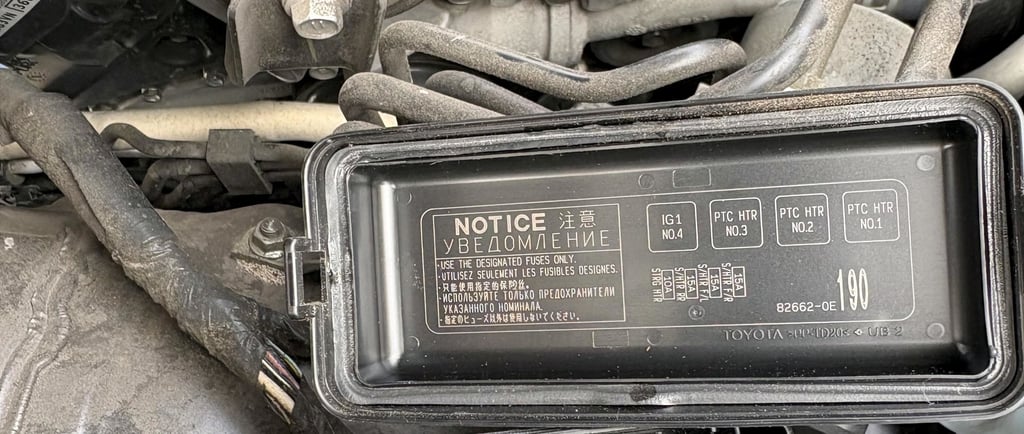
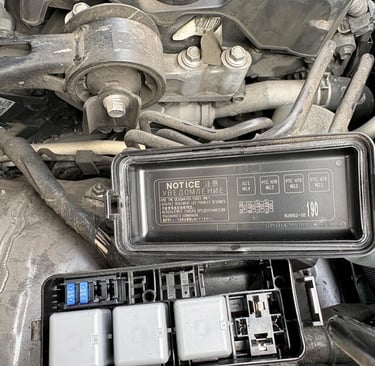
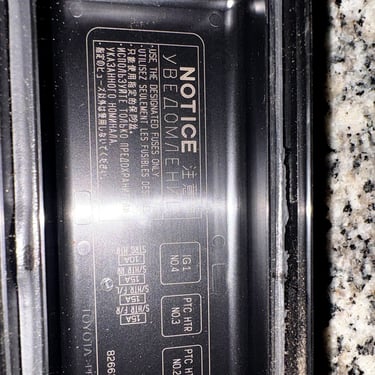
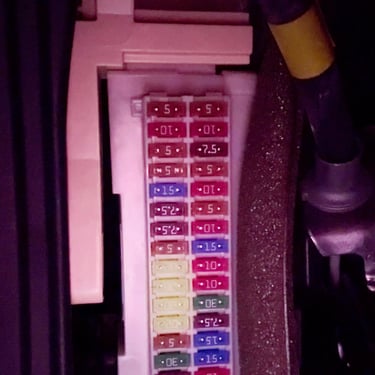
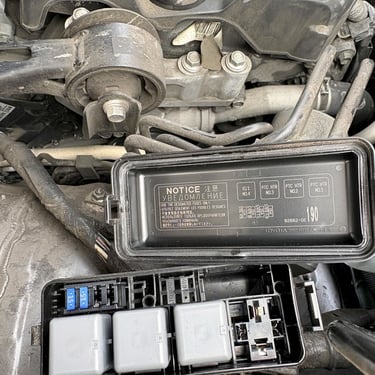
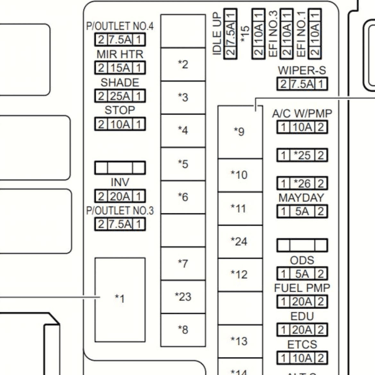
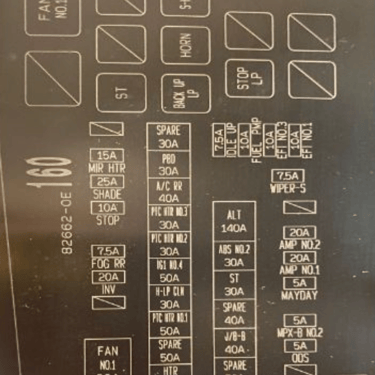
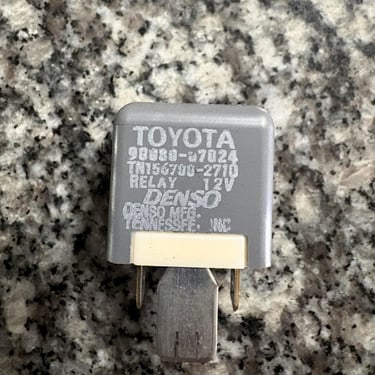
Car A/C Not Blowing Cold Air? Start With the Basics
When my car's air conditioner stopped blowing cold air, my first instinct was the same as most people—I took it to a repair shop.
The diagnosis came quickly, but so did the repair estimate. Before agreeing to anything, I decided to learn how the automotive A/C system worked and perform a few simple checks on my own.
What I learned helped me understand the problem much better and prevented me from approving repairs I didn't fully understand.
If your car A/C is blowing warm air, these are some of the same areas you may want to inspect before spending money on repairs.
How a Car Air Conditioning System Works
A vehicle's air conditioning system relies on several components working together.
Compressor
The compressor circulates refrigerant through the system. If it fails, cooling performance can stop completely. The compressor is often considered the heart of the A/C system.
Condenser
The condenser removes heat from the refrigerant and helps convert it back into a liquid state. Damage or blockages can reduce cooling efficiency.
Evaporator
The evaporator absorbs heat from inside the cabin, allowing cool air to enter the vehicle.
Electrical Components
Fuses, relays, switches, and wiring all play critical roles. A simple electrical fault can prevent the compressor from engaging even when larger components remain functional. Electrical issues are a common cause of A/C problems.
Common Reasons a Car A/C Stops Blowing Cold Air
Low Refrigerant
Low refrigerant levels are among the most common causes of poor cooling performance. Refrigerant can slowly escape through leaks over time.
Bad Compressor
A failed compressor may prevent refrigerant from circulating properly throughout the system.
Faulty Cooling Fan
Cooling fans help remove heat from the condenser. If they stop working, the A/C may struggle to cool the vehicle.
Blown Fuse or Failed Relay
A small fuse or relay can disable major components within the A/C system. This was one of the first things I checked because it requires very little time and costs almost nothing to inspect.
Electrical Problems
Damaged wiring, loose connections, or faulty sensors can create symptoms that look like expensive mechanical failures.
The Step-By-Step Approach I Used
Instead of replacing parts, I focused on eliminating possibilities.
My process included:
Checking A/C-related fuses.
Inspecting relays.
Looking for damaged wiring.
Observing whether the compressor attempted to engage.
Reviewing system diagrams.
Learning how each component worked.
This approach helped me narrow the problem significantly without purchasing unnecessary parts.
Why Diagnosis Is Often More Valuable Than Guessing
Many vehicle owners immediately assume the compressor is bad or that the system needs refrigerant.
Sometimes that's true.
Other times, a simple electrical problem can create the same symptoms.
Taking time to understand the system helps prevent unnecessary repairs and allows you to ask better questions when speaking with a mechanic.
Know Your Limits
While DIY troubleshooting can save money, some A/C repairs require specialized tools and refrigerant handling procedures.
For safety and environmental reasons, certain repairs are best left to qualified technicians.
Understanding the problem does not always mean performing the repair yourself.
Related DIY Handymen Articles
I Questioned My Car A/C Repair — Here’s How I Tracked the Real Problem First
When the Unexpected Strikes: How to Handle a Cracked Windshield Like a Pro
Final Thoughts
Learning how the A/C system works helped me narrow down the problem without spending money on unnecessary parts. While I didn't complete the repair myself, I gained a much better understanding of what was working, what wasn't, and what questions to ask before approving any repairs. Sometimes the most valuable part of a repair isn't fixing it—it's knowing exactly what's wrong.