
Solar Energy for Homeowners: Is It Worth the Investment?
ECONOMICAL GREEN
Fred Artisan
12/15/20233 min read
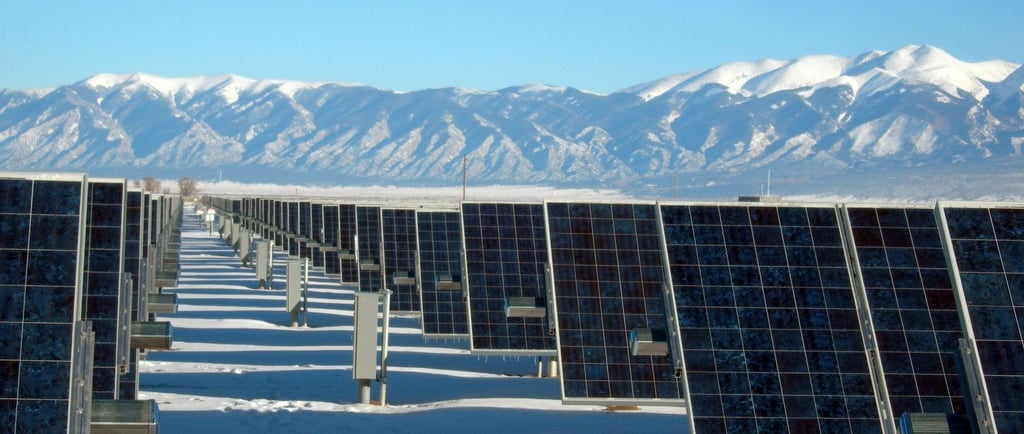
Solar energy can lower electricity costs and reduce dependence on the power grid, but it isn't the right choice for every homeowner. The value of a solar system depends on your location, roof condition, electricity usage, installation costs, available incentives, and how long you plan to stay in your home. Before investing, it's important to understand both the benefits and the limitations.
What Is Solar Energy?
Solar energy converts sunlight into electricity using photovoltaic (PV) panels. The electricity generated can power your home, reduce your monthly utility bill, and in some cases send excess power back to the electrical grid.
As solar technology continues to improve, more homeowners are considering it as a long-term investment. However, installing a solar system is a major decision that deserves careful planning.
Benefits of Solar Energy
Lower Electricity Bills
One of the biggest reasons homeowners choose solar is the potential to reduce monthly electricity costs. The amount you save depends on your energy usage, local utility rates, and the size of your solar system.
Renewable Energy Source
Solar energy uses sunlight, a renewable resource that doesn't produce direct emissions while generating electricity.
Increased Home Value
In some markets, a well-installed solar system may increase a home's appeal to buyers. The actual impact varies depending on the location, system ownership, and local real estate market.
Energy Independence
Generating part of your own electricity can reduce reliance on utility companies and help protect against future increases in electricity prices.
When Solar May Not Be Worth It
Although solar offers many benefits, it isn't the best choice for every home.
High Initial Cost
Purchasing and installing a solar system requires a significant upfront investment. While financing options are available, it may take several years before energy savings recover the installation cost.
Limited Sunlight
Homes surrounded by large trees or located in areas with frequent cloud cover may generate less electricity than expected.
Roof Condition
If your roof needs replacement within the next few years, it is usually better to complete that project before installing solar panels.
Maintenance and Repairs
Solar systems require relatively little maintenance, but components such as inverters may eventually need replacement, adding to long-term ownership costs.
Technology Continues to Improve
Solar equipment continues to evolve. Newer panels may become more efficient over time, leading some homeowners to delay installation.
Power Outages
Most grid-connected solar systems automatically shut down during power outages unless paired with a compatible battery backup system. Many homeowners are surprised to learn that solar panels alone do not keep the lights on during a blackout.
Questions to Ask Before Buying Solar
Before investing, ask yourself:
How much is my current electric bill?
Does my roof receive enough sunlight?
Is my roof in good condition?
How long do I plan to stay in this home?
Are incentives available in my area?
Would a battery backup benefit my family?
Answering these questions can help determine whether solar is a practical investment.
My Thoughts
Solar energy has helped many homeowners lower electricity costs and reduce their dependence on traditional power sources. However, it is not a one-size-fits-all solution.
Before signing a contract, compare multiple quotes, review the warranty, understand the expected payback period, and make sure the projected savings match your household's needs.
Like any major home improvement project, the best decision is an informed one.
Continue Learning
If you're interested in improving your home's efficiency, you may also enjoy our guides on home appliances, Gas vs electric, and other DIY handymen Calculators here on DIY Handymen. Building knowledge before making a major investment can save both time and money.
Final Verdict
Solar energy can be an excellent investment for some homeowners and a poor investment for others. The right choice depends on your home, budget, energy usage, and long-term plans. Take time to evaluate your options, ask questions, and compare costs before making a decision that will affect your home for years to come.