DIY Handymen Calculators: Free Project Planning Tools for Every Home Improvement Project
Plan your home improvement projects with the DIY Handymen Calculators. Estimate flooring, paint, drywall, concrete, wallpaper, and more to save time, reduce waste, and build a smarter shopping list before you begin.
DIY SMART TOOLS
Fred Artisan
7/23/20263 min read
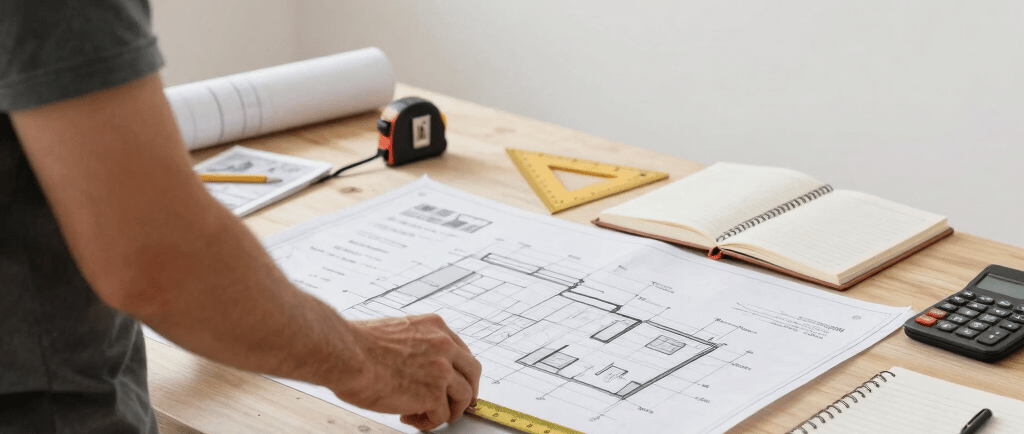
Every successful DIY project starts with a good plan. Whether you're installing new flooring, painting a room, or repairing drywall, knowing how much material you'll need before shopping can save time, reduce waste, and help you stay within your budget.
That's why we created the DIY Handymen Calculators. These free tools are designed to help homeowners estimate materials, organize projects, and make smarter buying decisions before starting a home improvement project.
They won't replace careful planning or professional advice when needed, but they provide a practical starting point that can help you avoid common mistakes and unnecessary expenses.
Why Use DIY Project Calculators?
Many DIY projects become more expensive than expected because materials are purchased without proper planning.
Using a calculator before visiting the home improvement store can help you:
Estimate materials more accurately.
Build a realistic budget.
Reduce unnecessary waste.
Avoid multiple shopping trips.
Compare products more confidently.
Feel better prepared before starting your project.
A few minutes of planning today can save hours of frustration later.
Flooring Calculator
Installing new flooring is one of the most popular home improvement projects, but buying the wrong amount of material can quickly increase your costs.
Our Flooring Calculator helps estimate approximately how many flooring boxes you'll need based on your room dimensions and the coverage listed on the flooring package.
Before using the calculator, measure your room carefully with a tape measure or a laser distance measurer. Accurate measurements produce more reliable estimates and make it easier to compare flooring products before purchasing.
If you're installing vinyl plank flooring, having the right installation tools, such as spacers, tapping blocks, pull bars, and knee pads, can also make the job smoother and more enjoyable.
Benefits
Estimate flooring materials before shopping.
Plan your flooring budget.
Reduce leftover flooring.
Save time during installation.
Shop with greater confidence.
You may also find these DIY guides helpful:
Paint Calculator
A fresh coat of paint can completely change the appearance of a room, but estimating paint isn't always as simple as it looks.
Our Paint Calculator helps estimate how much paint your project may require, making it easier to prepare before heading to the store.
Once you've estimated your paint, gather quality supplies such as paint rollers, paint brushes, painter's tape, and drop cloths. Using the right tools helps produce cleaner results while protecting your floors and furniture.
Benefits
Estimate paint before shopping.
Reduce leftover paint.
Avoid running out during the project.
Build a more accurate budget.
Prepare your supplies ahead of time.
Drywall Calculator
Whether you're repairing a damaged wall or renovating an entire room, drywall projects require careful planning.
Our Drywall Calculator estimates approximately how many drywall sheets your project may require, helping you prepare before purchasing materials.
Before getting started, it's helpful to have common drywall tools ready, including a utility knife, drywall taping tools, drywall screws, sanding blocks, work gloves, and safety glasses. Having everything prepared before beginning your project can save time and help you work more safely.
Benefits
Estimate drywall sheets.
Plan material purchases.
Reduce unnecessary waste.
Build an organized shopping list.
Better prepare for your project.
Plan First, Buy Second
One of the easiest ways to save money on a DIY project is to estimate your materials before shopping.
Buying too much means spending more than necessary. Buying too little often results in extra trips to the store, delayed projects, and additional expenses.
Taking a few minutes to estimate your materials first helps you:
Stay within your budget.
Reduce material waste.
Organize your shopping list.
Compare products more effectively.
Begin your project with greater confidence.
Good planning won't eliminate every surprise, but it can help you avoid many common DIY mistakes.
Continue Learning With DIY Handymen
Our calculators work best when paired with practical, real-world DIY guides.
You may also enjoy reading:
Bedroom Renovation Cost Breakdown: What I Spent and What I Learned
How I Removed a Popcorn Ceiling: Tools, Mistakes, Dust Control, and Lessons Learned
How I Removed Old Carpet, Padding, and Tack Strips From My Bedroom Floor
How to Remove Carpet Staples From a Concrete Floor
Cleaning and Preparing a Concrete Slab for New Flooring
How to Install Vinyl Plank Flooring on a Concrete Floor
I Questioned My Car A/C Repair — Here's How I Tracked the Real Problem First
Gas vs. Electric Lawn Mower: Which One Truly Lasts Longer?
Each guide shares practical lessons learned from real DIY experiences to help you plan your own projects more confidently.
Final Thoughts
Every successful home improvement project begins with good planning.
The DIY Handymen Calculators are designed to help homeowners estimate materials, organize projects, and make better decisions before spending money on supplies. Whether you're replacing flooring, painting a room, or repairing drywall, these free tools can help you prepare with greater confidence.
As DIY Handymen continues to grow, we'll keep adding practical resources, step-by-step guides, and planning tools to help homeowners tackle projects one step at a time.